

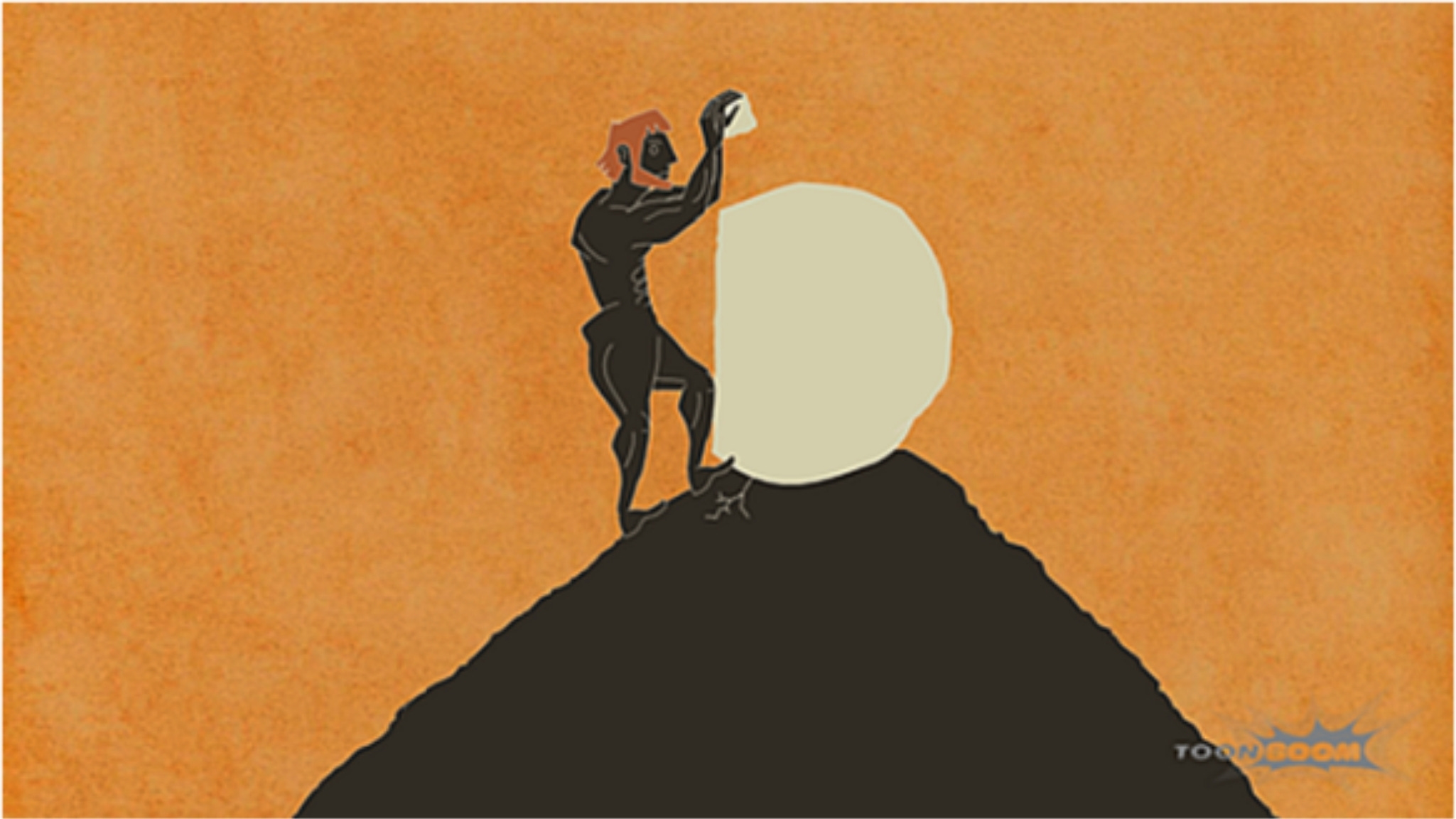
We are living a lie thinking that working 10,000 hours at something means we will have mastered it or deserve such recognition. Anyone can spend 10,000 hours picking up the bad habit of inefficiency, thinking that if they “grind it out” or “put the hours in,” the intended results will come; they might, but at what cost? 10,000 hours when it could have taken you 2,000?
We have (at least some of us) evolved out of the “put in the hours” mentality. With the level of access we have to the same tools, information, and methods of instant digital communication, we can build systems to achieve anything we want much faster than in the previous decade.
Whether those goals are financial, habit-based, or skills-based, there are free resources that will help you reach those goals quickly and more easily than just spending countless hours working. Willpower alone isn’t enough to achieve your goal or break a habit, and it can be dangerously unsustainable.
Instead, try this: assess when you fail, then build a failsafe with intentionality to reach a goal or break a habit. Building a failsafe starts with presence and contemplation, asking “what was I doing when I failed,” or ask why 5 times why a system failed, or you fell short on a goal, then build or adjust systems to circumvent the failure when the same conditions occur again. This way, you’re assessing the results of your action, rather than just thinking “I have to work harder” or “have more discipline.”
Successful people are constantly looking at results, because what occurs is reality; effort can be lied about and faked easily. They aren’t celebrating their efforts, but rather their successes and learnings from failure. Identifying the most efficient way to get what you want requires experimentation. Testing different methodologies, studying people who have figured it out, think of it like reviewing game tape.
However, you have to know you’re playing the right game. When you chase something you don’t really want, there’s dissonance that can lead to self-sabotage. So ask yourself, what the heck do I even want… Is this worth going all in on? What will happen if I fail? What will happen if I win? Then lastly, is that goal too small?
Asking if it’s “too small” isn’t because bigger is better, but more so, mediocrity is a sure path to failure. If we set our goals too small, only requiring us to grow slightly, they will appear to us too easy, we’ll think we can do that whenever, and then it’ll never get done.
“An obvious challenge people face is that they don’t know what they want. They’re far too busy justifying what they think they need. They haven’t learned to be brutally honest with themselves and others. They’re still living in fear.”
― Dan Sullivan, 10x Is Easier Than 2x: How World-Class Entrepreneurs Achieve More by Doing Less
An example: I was talking to a loved one who told me she wanted to lose 10 pounds. My first thought was that sounds very doable, but then it made me realize this person could likely lose 30 lbs and be in a healthy weight range (I know this because I knew them when they weighed 30 lbs less, an assumption like this without context is wild, I know).
I later chatted with her and respectfully expressed my thoughts. “Hey, I think you should aim for losing 20 lbs. The reason is that I know you can lose 10 lbs, but think about how easy it is to gain back 10 lbs. Also, to lose 20lbs, you’ll have to be disciplined longer, which will force you to fully acclaimate the lifestyle.” She agreed with me wholeheartedly and is already down 7 lbs towards her goal.
This article is obviously not about weight; that’s myopic. It’s about you getting the most from life, even if that feels a bit scary at first. Building processes that help you achieve what you want requires purposeful thinking that results in transformation. Even better is that, along the way, being present in your journey of small failures and big wins, you’ll learn which methodologies are made for you, because what works for me isn’t going to work for you the same way.
There are countless resources to choose from to start, stop, and achieve just about anything in this life, but it’s the nuances of finding what works for you that make life just that much more romantic. Call it a twist on an old classic if you’d like.